Buying Guide
Ceramic Coating vs. Paint Protection Film: Which One Does Your Vehicle Actually Need?
April 12, 2026 · 11 min read
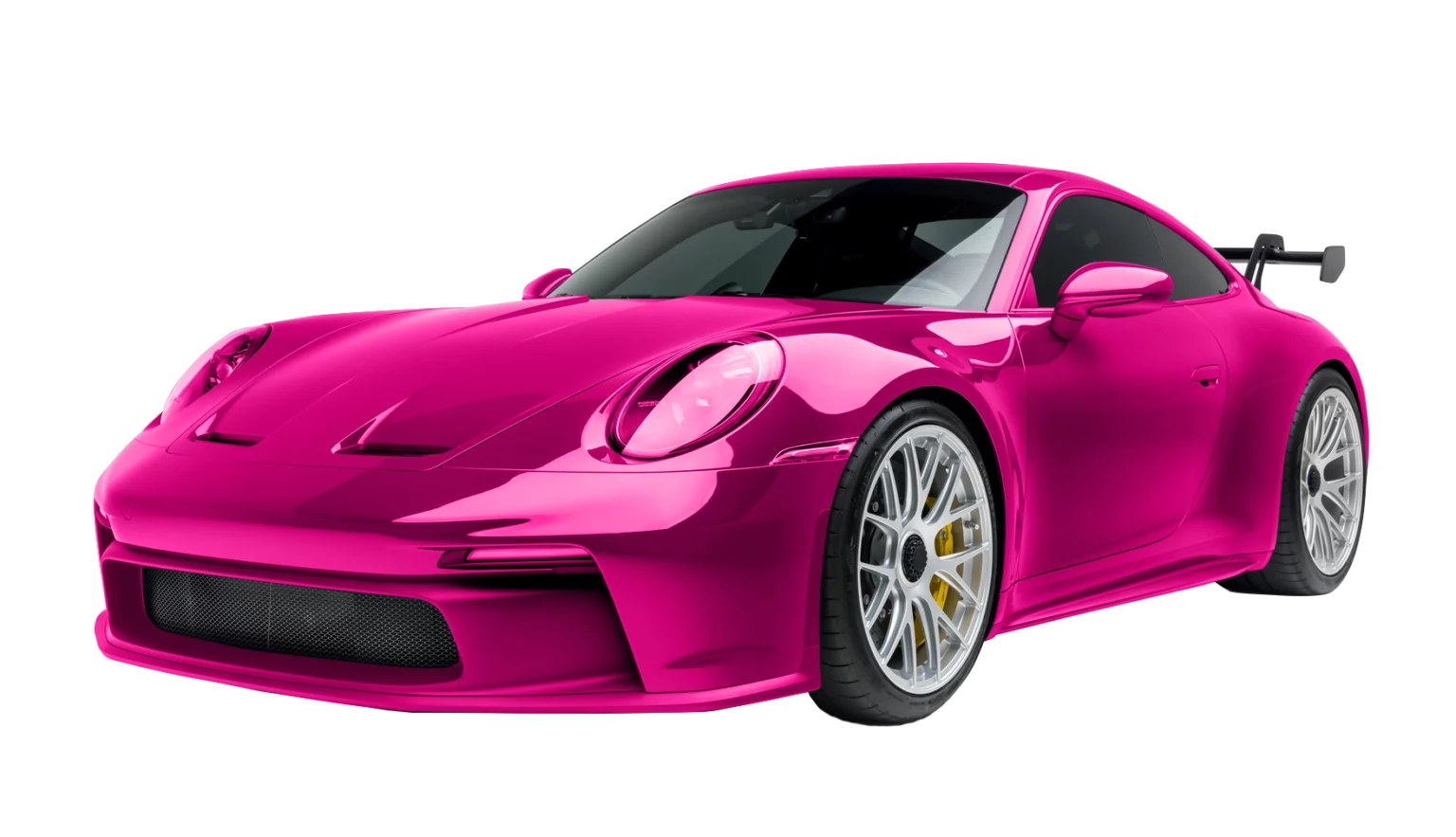
A side-by-side breakdown of nano-ceramic coatings (FeynLab) and self-healing paint protection film (GSWF) — what each one protects against, where they overlap, and how to choose for your daily driver, weekend car, or new vehicle.
The short answer
Ceramic coating and paint protection film (PPF) are not the same product, and they are not competitors. They solve different problems. A ceramic coating is a thin chemical layer that bonds to the clear coat, giving paint a hydrophobic, UV-resistant, gloss-enhancing shell. PPF is a thick urethane film that absorbs physical impacts — rock chips, road rash, light scratches — and self-heals minor swirl marks with heat.
Most enthusiasts and new-vehicle owners end up using both: PPF on the highest-impact surfaces (full front, rocker panels, A-pillars), and a ceramic coating layered on top of the film and the rest of the paint. PPF stops the chip; ceramic keeps the whole car easier to wash and helps the film look fresh for years longer.
What ceramic coating actually does
A modern nano-ceramic coating like FeynLab® Self Heal Plus is a liquid polymer that cross-links at the molecular level and chemically bonds to your paint. After it cures, your paint is protected against UV oxidation, industrial fallout, bird droppings, brake dust, road salt, and most environmental contamination.
Water beads up and rolls off, so dirt and grime have a hard time sticking. That hydrophobic behavior is what makes a coated car so much easier to wash — most of the contamination flushes off during the pre-rinse, and a coated finish typically takes half the time to clean.
What ceramic coating will NOT do is stop a rock from chipping your bumper. It is microns thick. The clear coat is harder than the paint underneath it, and the coating adds chemical and UV resistance — not impact resistance.
What paint protection film actually does
PPF is a thermoplastic urethane film roughly 6–8 mils thick (about 0.15–0.2 mm). It is the same family of material used on military helicopter rotor blades. Installed wet over the paint, then squeegeed, tucked, and heated to set, a good film is virtually invisible from arm's length.
Because urethane is energy-absorbing, PPF takes the hit instead of your paint when you eat a piece of gravel kicked up by a truck on I-40. Today's top-tier films, including GSWF Stealth, Pro, and Xtreme, have self-healing top coats — minor swirl marks and wash marks disappear when warm water (or sunlight) hits the film.
PPF also protects against bug splatter etching, bird drop etching, fingernail scratches on door handles, and friction wear in high-touch areas. Most premium PPF carries a 10-year warranty against yellowing, cracking, and lifting.
When PPF is the right call
If your vehicle is new, expensive to repaint, has soft paint (BMW M, Tesla, Porsche, and most German luxury), is driven on highways often, or is a leased vehicle where you'll be charged for damage at turn-in — PPF is the right answer for the high-impact zones at minimum.
We usually recommend at least a Full Front Kit (bumper, full hood, full fenders, headlights, mirrors). Owners who do a lot of highway miles or have a long driveway add A-pillars and rocker panels. Owners who want true peace of mind do a Full Vehicle wrap.
When a ceramic coating is the right call
If your goals are gloss, easy maintenance, UV protection, and a hydrophobic surface — and your vehicle isn't taking a beating on the highway — a ceramic coating alone is often enough. Self Heal Plus is a great match for daily drivers parked outdoors. Ceramic V2 is the smart 5-year pick. Ceramic Lite is the affordable entry tier.
Coatings also make sense on vehicles you plan to sell in a few years — buyers can see that the paint has been maintained, and a clean, glossy finish supports higher resale value.
Why most enthusiasts run both
A coating over PPF is a 1+1=3 install. The PPF takes the impacts; the coating helps the film stay clean, increases gloss on the satin surface, blocks UV, and dramatically reduces wash-induced micro-marring on the film. FeynLab makes a dedicated PPF Top Coat formulated specifically for use over urethane film.
On the non-filmed areas (roof, glass, wheels, trim), the same coating gives the rest of the car the same hydrophobic, easy-clean behavior.
Want to learn more?
Explore the products covered in this article — or skip ahead and request a free quote.