Window Tint
Ceramic Window Tint Buyer's Guide: Heat Rejection, UV, and Picking the Right Film
March 28, 2026 · 10 min read
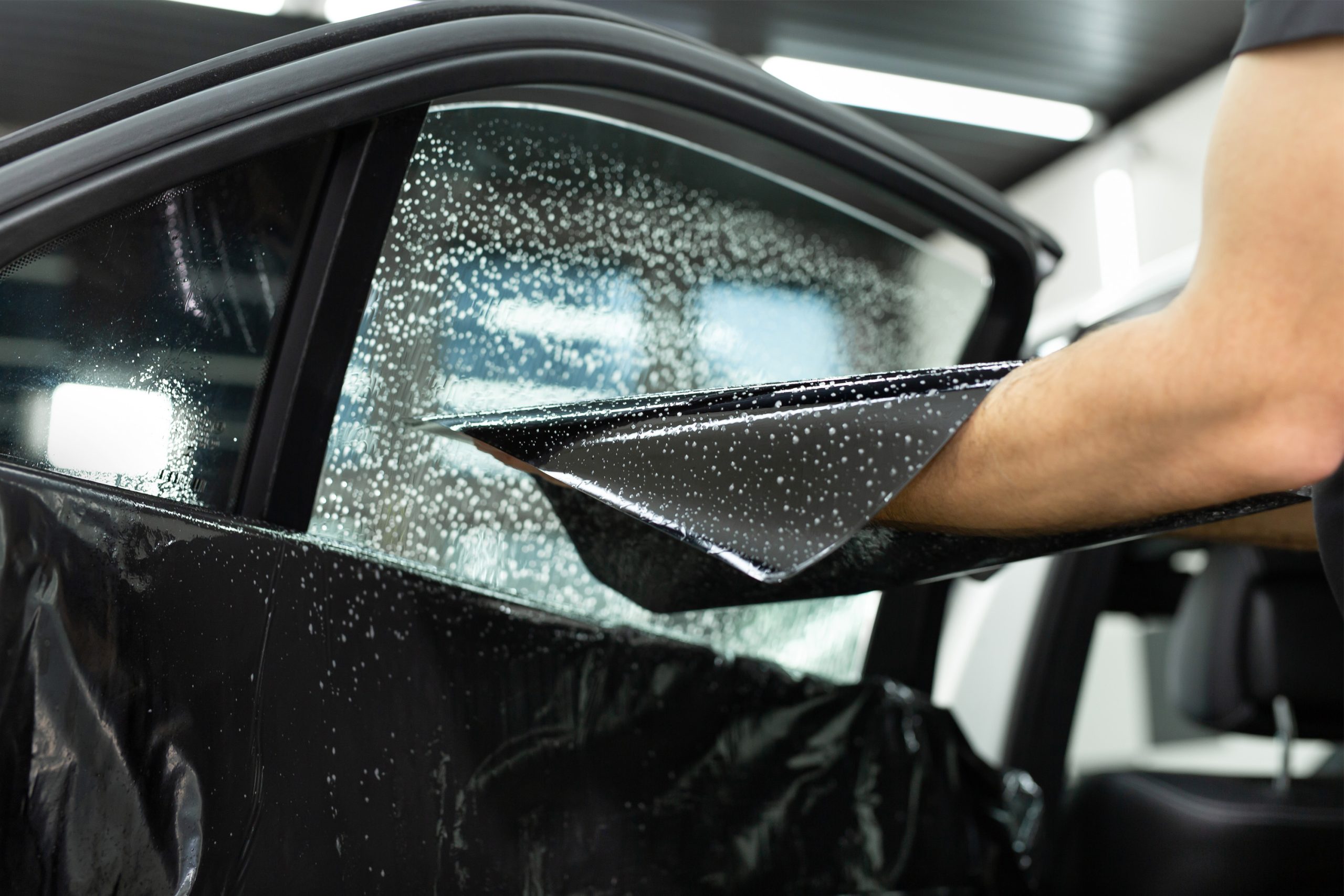
Carbon, ceramic, and IR-ceramic window tint compared. What VLT actually means, how to read heat-rejection numbers, and how to choose a Tennessee-legal film that performs.
Why tint quality varies so much
Window film is one of those products where two installs that look identical from across the parking lot can perform completely differently. A cheap dyed film and a premium ceramic IR film can both be dark — but only one of them will keep the cabin meaningfully cooler in a Tennessee July.
The three real categories of tint
Dyed film is the cheapest. It blocks light but does very little for heat. It fades, turns purple, and bubbles within a few years. We don't install it.
Carbon film is a major upgrade. It rejects more heat than dyed film, doesn't fade purple, and gives a clean, dark matte appearance. Carbon is a good value option for owners who want a great look and meaningful UV rejection without the highest price.
Ceramic and IR-ceramic films are the top of the market. They use nano-ceramic particles that block a huge percentage of infrared heat while staying optically clear on the inside. The best films, like GSWF's IR ceramic line, block 95%+ of infrared heat and 99% of UV — at any shade, even on the lightest factory-looking tint.
Understanding VLT (Visible Light Transmission)
VLT is the percentage of visible light that passes through the film. 5% (limo) means only 5% of light gets through — a very dark film. 35% is a moderate, popular shade. 50%+ looks nearly factory but still blocks UV and heat with the right ceramic film.
Tennessee state law currently allows 35% VLT on front side windows, any darkness on rear side windows and back glass, and prohibits red, amber, or yellow tint. Medical exemptions exist for darker front windows. We'll always confirm the legal shade with you before installing.
Heat rejection: what numbers actually matter
The two numbers that matter most are TSER (Total Solar Energy Rejected) and IRR (Infrared Rejected). TSER measures the total amount of solar energy the film blocks; IRR is specifically the infrared (heat) component.
A premium ceramic film like GSWF IR Ceramic can hit 65%+ TSER and 95%+ IRR even at lighter shades. A carbon film at the same shade might be 35% TSER and 50% IRR. The difference is meaningful: you can feel it instantly when you climb into the car at the end of a workday.
Don't forget the windshield
A clear or near-clear ceramic windshield film blocks heat from the largest sun-facing window in the car. In a hot climate it's the single most effective upgrade for cabin temperature. GSWF makes a windshield-specific film optimized for optical clarity that works with HUDs and ADAS cameras when installed correctly.
Aftercare
Don't roll your windows down for 3–5 days after install. Water trapped behind the film during the cure period is normal and clears up on its own. Once cured, ammonia-free glass cleaner and a microfiber towel are all you need.
Want to learn more?
Explore the products covered in this article — or skip ahead and request a free quote.